Adult coloring for beginners: a gentle place to start
Choose a few pencils, find a page you like and begin with light layers. A practical guide to making your first coloring session feel easy.
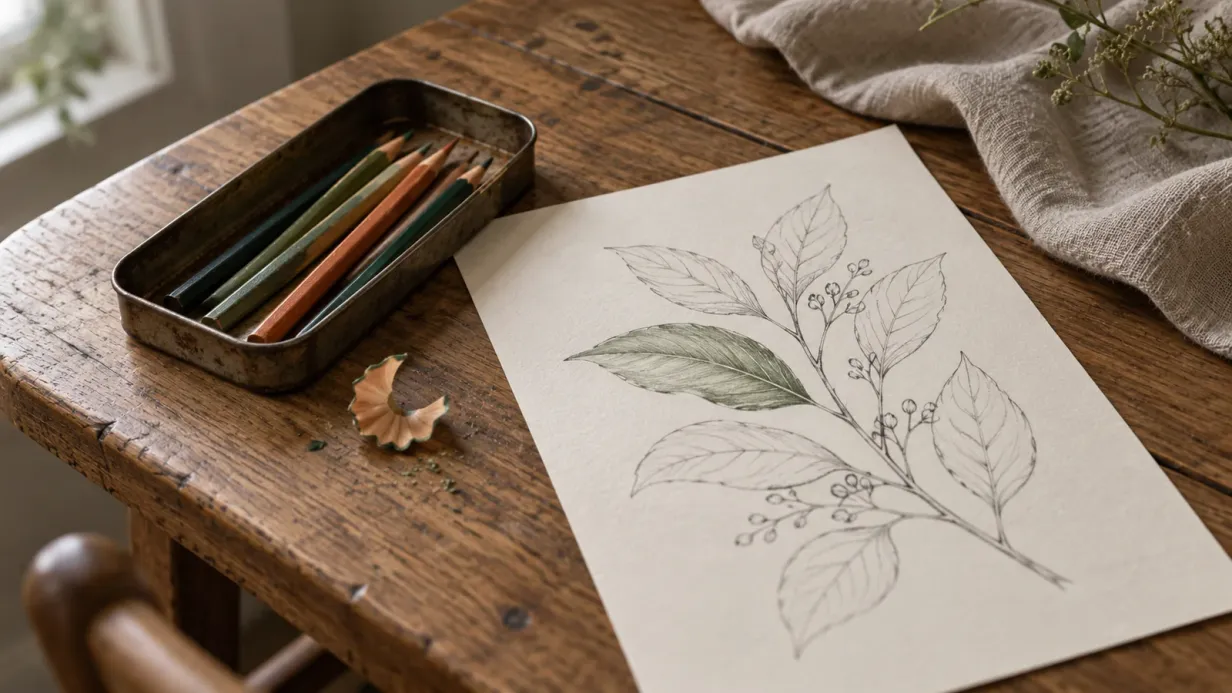
A fresh coloring page can be surprisingly hard to start. You open the pencil tin, look at all that white paper and wonder which color belongs where.
Try one small shape. A leaf, perhaps, or the rounded edge of a mushroom cap. Lay down a little color and see how it feels. You can make the next decision after that.
A few simple habits will help, especially if you haven’t colored since childhood.
A few pencils are plenty
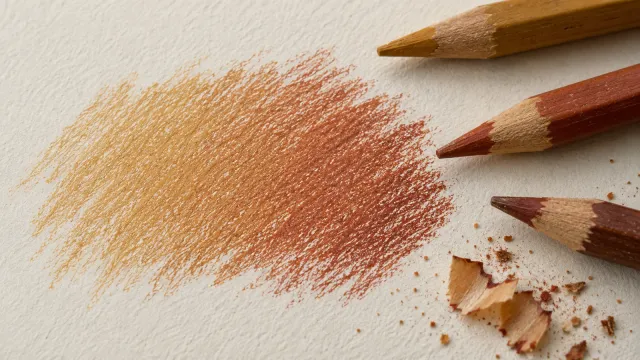
Start with what you have. A modest set gives you room to learn how much pressure feels comfortable and which colors you enjoy together.
If you’re buying pencils, look for a small set that lays down color easily. Softer cores tend to cover the paper with less effort; firmer ones hold a fine point for little details. A sharpener and a scrap of paper for swatches are enough to begin. A kneaded eraser is useful, too.
You can add more colors later, once you know which ones you keep reaching for.
Give the paper a little thought
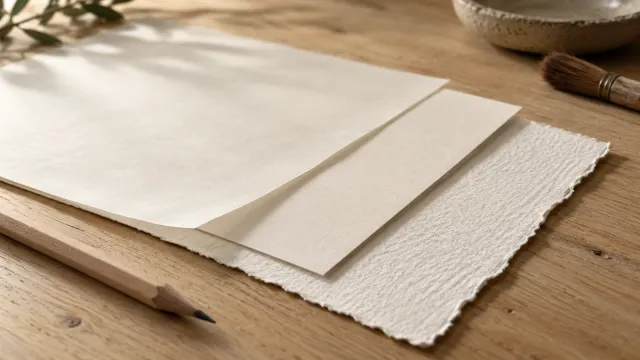
Ordinary copy paper is fine for a first try. For repeated pencil layers, a heavier sheet with a slight texture usually feels better under your hand.
Markers need smooth paper and a protective sheet underneath. Watercolor needs paper made for wet media. If you’re printing at home, check which paper weights your printer accepts before loading anything thick.
Our paper guide explains the differences.
Find a page with room to move
Large shapes let you practice a gentle change from light to dark. The capybaras in a hot spring have rounded bodies and broad stretches of water, with a few leaves for smaller marks.
If tiny patterns are what you love, start there instead. Choose a page you want to spend time with.
Let the first layer stay pale
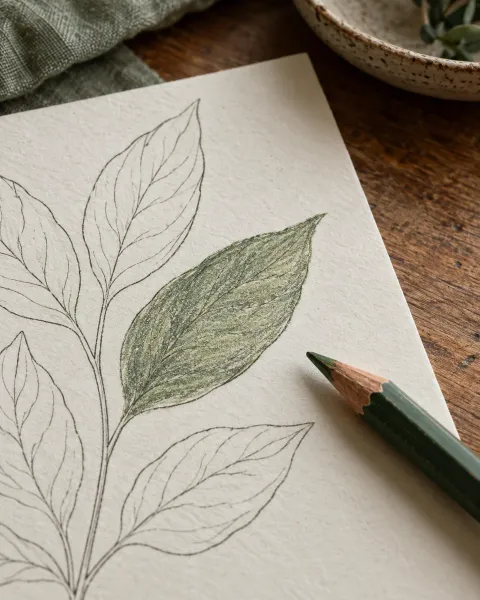
Hold your pencil a little farther back than you would for writing. Make a few light strokes, then overlap them with another layer.
The paper’s texture catches the pigment. Pressing hard straight away can flatten that texture and make it harder to add color. Light layers leave room for shading and small changes.
For smoother transitions, see how to blend colored pencils.
Choose a handful of colors
Four or five colors can make a comfortable starting palette. Let one appear across several parts of the page, then use the others where you want a little variety.
Here is a soft combination to try:
- Orchid pink#EEC8E5
- Mint#B5E6DC
- Buttercup#FAEA97
- Pistachio#BDE2AA
- Peach coral#FDA997
You can borrow it loosely. A pencil close to that peach is enough; it doesn’t need to match the screen exactly. There are more combinations in our palette guide.
Save a little light
Imagine a window at one side of the drawing. Keep the shapes nearest it pale and add a deeper shade on the sides facing away.
Leave a small patch of paper bare for a shine on an eye or a glossy cherry. White paper brings a brightness that’s difficult to recover once you’ve covered it.
The shading guide takes this idea a little further when you’re ready.
A small slip can stay small
With pencil, gently dab a kneaded eraser to lift some pigment. A heavy layer may stay visible, but you can often soften it or work it into a shadow.
With markers, try carrying the color into a nearby detail. With wet watercolor, a clean, barely damp brush can lift some paint, depending on the pigment and paper.
On a screen, undo gives you another try. Linea has watercolor brushes and color that stays within the lines, so there’s room to move your hand loosely while you explore.
Leave yourself somewhere to return
The muffin page is a friendly first project: a few rounded cherries, a striped case and room for a soft wash of color.
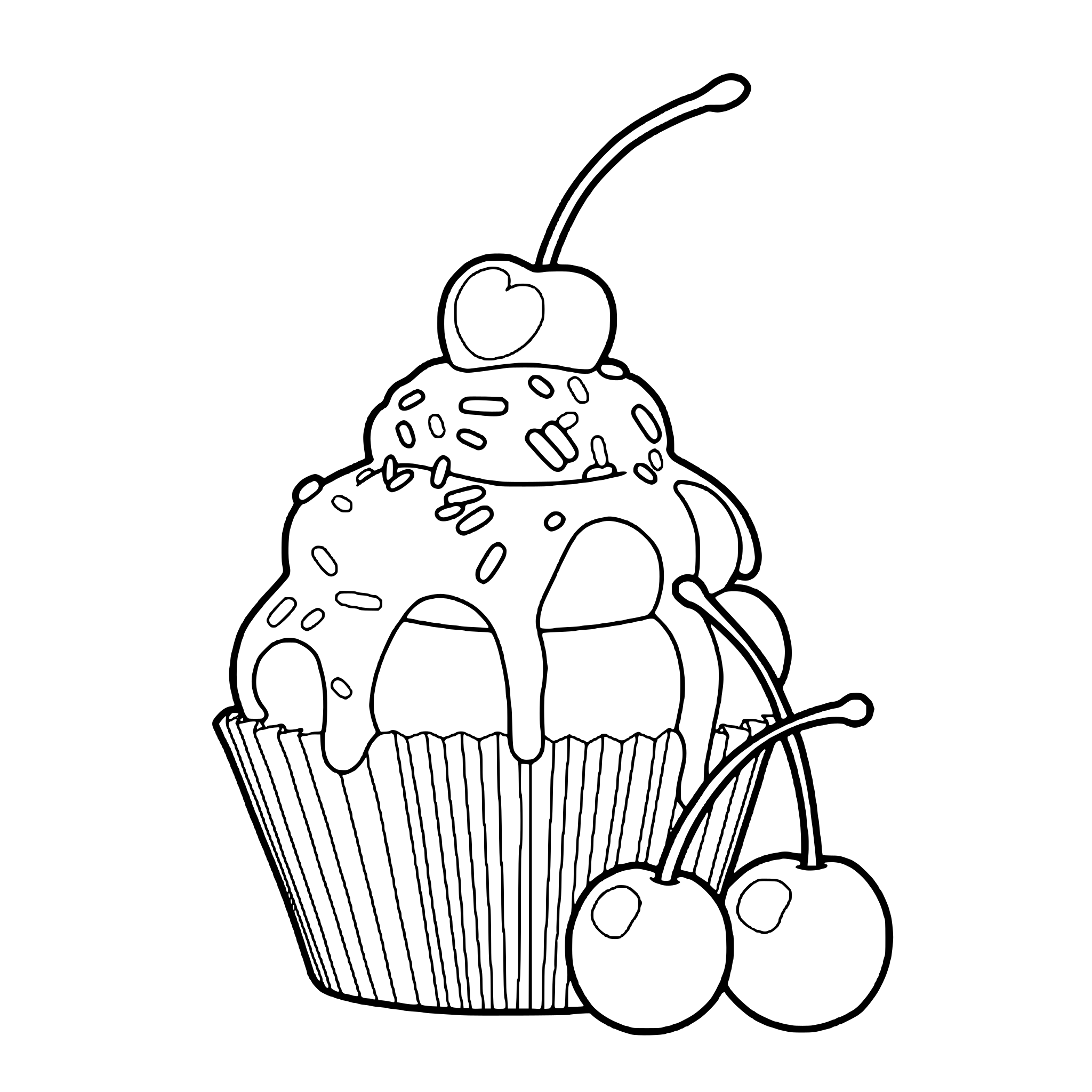 Free coloring pageMuffin coloring pageDownload PDF or color it in Linea →
You might finish it this evening. You might color the frosting and leave the rest for tomorrow. Either way, you’ve begun.
Practice on your own drawing
Take a photo of a sketch and Linea turns it into a page you can fill.