Can coloring help with anxiety? A closer look
Research suggests coloring may ease anxious feelings for some people. Here is what the studies can tell us, and how to try a low-pressure creative break.
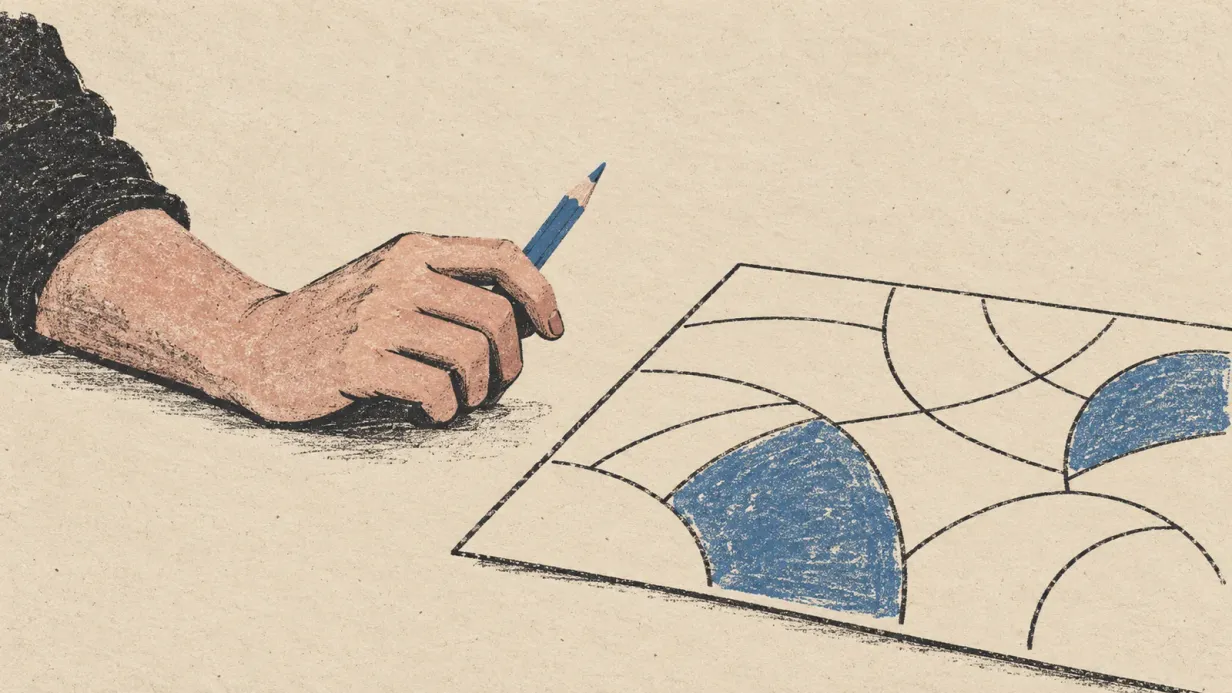
Coloring may help some people feel less anxious for a while. A page gives your attention somewhere to rest: a curved outline, the sound of pencil on paper, a small patch of green slowly taking shape.
Research offers some support for that experience, though it doesn’t promise the same result for everyone. Most studies look at short-term feelings in people without a diagnosed anxiety disorder. That’s different from showing that coloring treats anxiety.
What the research suggests
A 2017 study by Flett and colleagues randomly assigned 104 female university students to a week of daily coloring or logic puzzles. The coloring group reported lower anxiety and depressive symptoms afterward; the puzzle group did not show the same pattern.
It’s an encouraging finding from a short study with a specific group. It doesn’t establish a long-term benefit or tell us what will happen for someone receiving treatment.
A systematic review and meta-analysis by Jakobsson Støre and Jakobsson brought together eight studies with 578 participants. It found no statistically significant advantage for mandala coloring over free drawing in reducing state anxiety: how anxious someone feels at that moment. The authors called for better-quality research before making confident recommendations.
That leaves room for personal preference. You don’t need a particular pattern to try spending some time with color.
Coloring and mindfulness aren’t quite the same
Mindfulness involves paying attention to present experience without judging it. Coloring can give you something concrete to notice, but using a coloring book doesn’t automatically make an activity mindful.
In two experiments published in 2018, Mantzios and Giannou explored coloring with and without mindfulness guidance. Their results suggested a possible benefit for anxiety from guided coloring, but did not show an overall increase in measured mindfulness. People’s responses to the guidance also differed.
If you enjoy noticing the movement of your hand or the feel of the paper, give that your attention. If spoken guidance distracts you, silence may suit you better.
Give yourself an easy starting point
A coloring page offers a little structure. You don’t have to decide what to draw before making a mark. For some people, that makes beginning feel easier.
Try a page with shapes you find appealing and a level of detail that feels comfortable today. Tiny patterns may absorb you; broad shapes may feel more spacious. Neither is a requirement.
Choose a few colors if that reduces the decisions. Our palette guide has combinations you can borrow.
Make a little room for the activity
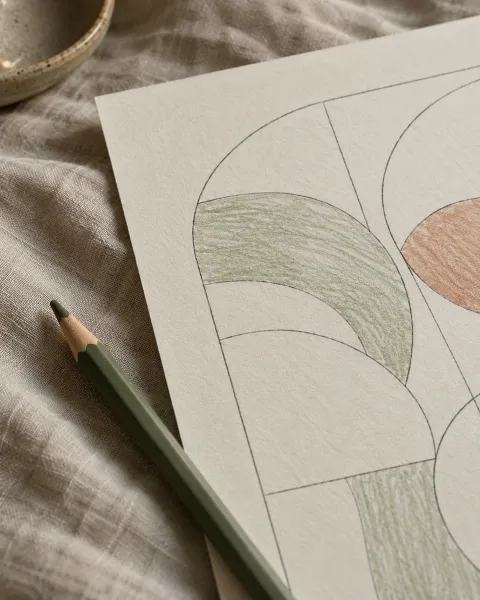
Set the page somewhere comfortable, with enough light to see without leaning close. Let your hand rest and start with a small area.
You might try ten minutes as a gentle starting point, rather than a target you need to reach. This isn’t a proven dose. Stop earlier if you want, or keep going if you’re enjoying it.
If notifications keep interrupting you, silence them for a while. On paper, notice the faint scrape of the pencil. On a screen, watch how a brush stroke changes the color beneath it. When your mind wanders, you can return to the next mark without making it another task to get right.
Notice whether it suits you
Afterward, ask yourself how the activity felt. You may feel more settled, or you may simply have enjoyed making something. If it felt frustrating, try a different page or choose another way to rest.
Coloring can sit alongside professional support. If anxiety is persistent or affecting daily life, speak with a qualified health professional about help that suits your situation.
The capybaras page is here if you’d like a place to begin:
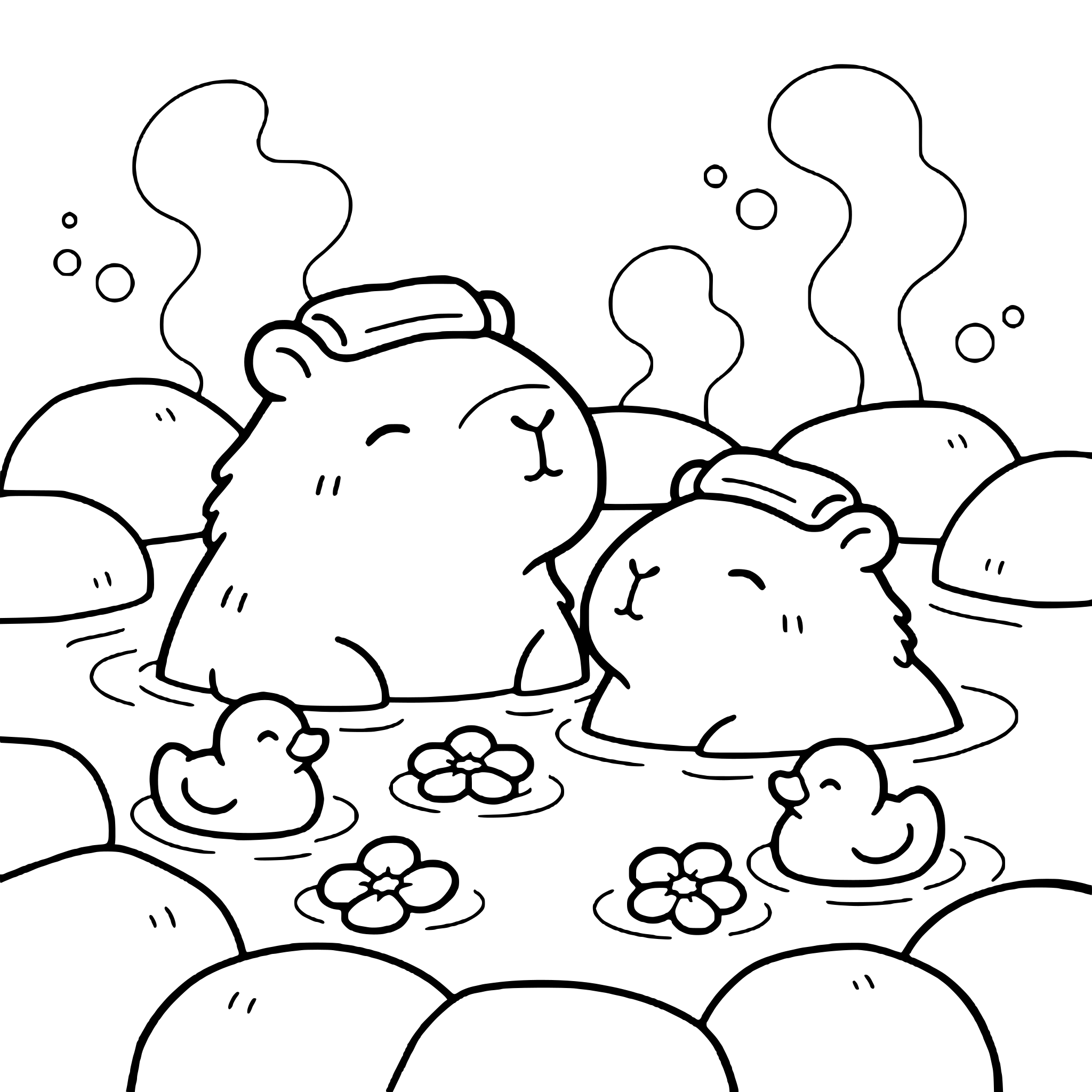 Free coloring pageCapybaras in a hot spring coloring pageDownload PDF or color it in Linea →
If you prefer a screen, Linea’s built-in and downloaded pages work offline. You can put your device in airplane mode and spend a little time with color. That is an invitation to a creative break, without a promise about how you should feel afterward.
Practice on your own drawing
Take a photo of a sketch and Linea turns it into a page you can fill.