Best colored pencils for adult coloring: find your fit
Compare softer and firmer pencils, choose a manageable set and test the colors on your own paper before buying more.
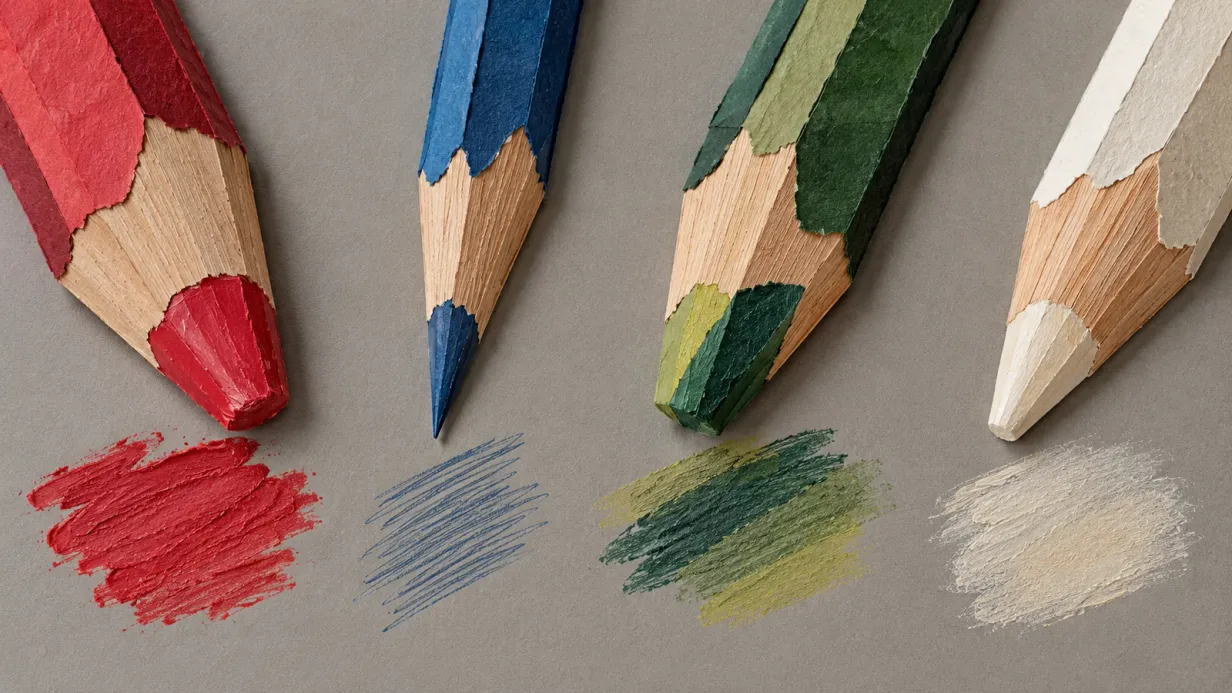
A pencil can feel lovely in one person’s hand and a little slow in another’s. Some leave a broad patch of color with barely a touch. Others keep a fine point for the corner of a petal.
The best colored pencils for your pages are the ones that suit how you like to work. Start with the feel you want, then compare a few ranges before choosing a large set.
Begin with a mark you enjoy
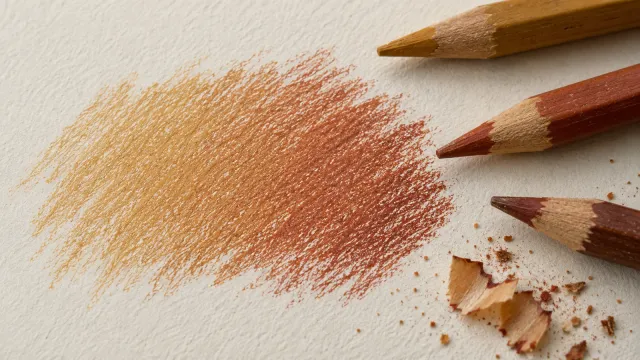
Try a light layer, a darker patch and a few fine lines on your usual paper. Notice how much pressure each mark needs and whether the pencil stays comfortable as you work.
A soft core often covers a broad area readily. A firmer core can hold its point longer for details. Formulas vary, though, so wax-based and oil-based labels tell only part of the story.
If you’re returning to coloring, our beginner guide offers a small first practice before you choose more materials.
A few ranges to compare
Faber-Castell Polychromos is worth trying if you enjoy fine details and gradual layering. Its oil-based leads offer a different feel from very soft pencils. Test a broad swatch as well as a tiny shape to see whether you enjoy that pace.
Prismacolor Premier Soft Core suits people who like soft coverage and rich layers. Keep the point sharp for details, and protect the pencils from knocks. A softer core may need sharpening more often as you work.
Caran d’Ache Luminance and Derwent Lightfast are ranges to consider when lightfastness matters to you. Check the maker’s ratings for the individual colors you plan to use, especially for a picture you want to display.
Availability and set prices vary by shop and region. A few open-stock pencils can be a useful first purchase.
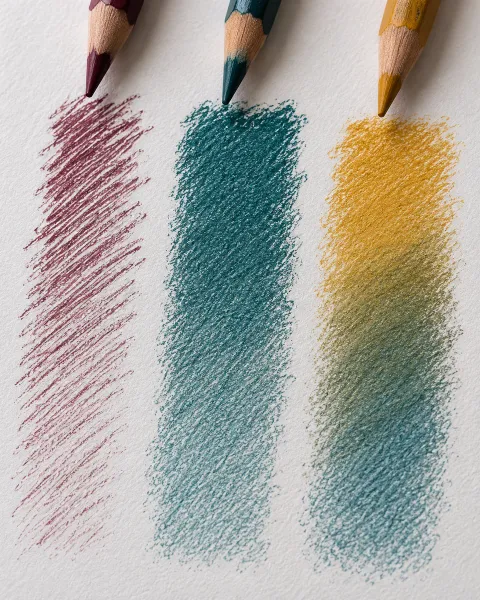
Let the paper join the test
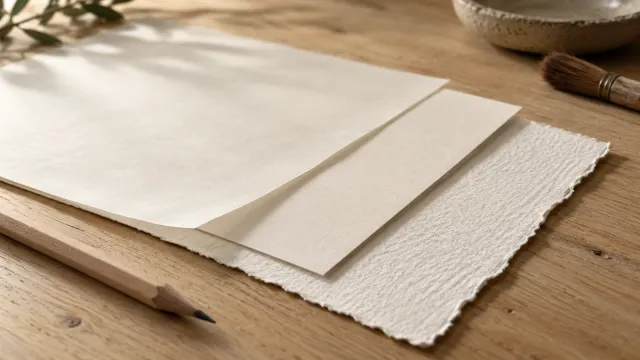
Bring a scrap of your usual paper if a shop lets you try pencils. A smooth sheet and a textured one can give the same pencil quite different coverage.
Layer two nearby colors lightly. Add another pass only where you’d like more depth. If the pencil begins to slide, you may have filled the surface rather than found the limit of the pencil itself.
Our blending guide explains how pressure and paper grain work together.
Buy room to experiment
A set of 24 or 36 gives you plenty of combinations to explore, but a smaller set can be enough. Choose colors you like using rather than chasing a particular number.
A large inexpensive set may suit flat coloring perfectly well. If you’re hoping for smooth layering, test that quality directly. Price and pencil count alone won’t tell you how the core behaves.
Think about where the page will live
Lightfastness describes resistance to fading under specified tests. Brands use different rating systems, so read the relevant color chart rather than comparing stars with numbers from another maker.
A page kept in a closed book has different exposure from one beside a sunny window. For framed work, choose colors with suitable ratings and think about where you’ll hang it.
Give a new pencil one small job
The bird page has feather details for trying a point and larger shapes for a soft layer. You don’t need to finish the page to learn whether the pencil suits you.
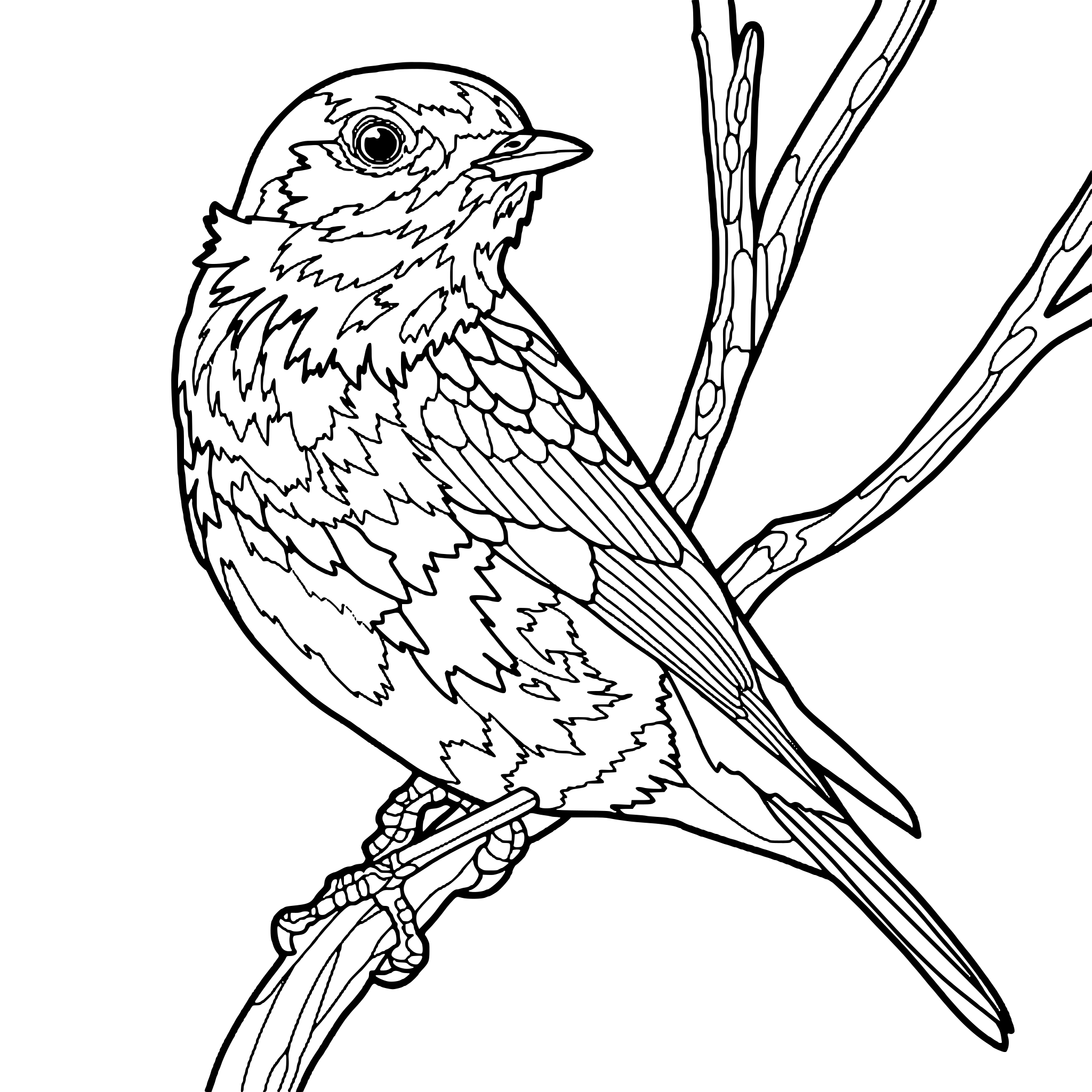 Free coloring pageBird on a branch coloring pageDownload PDF or color it in Linea →
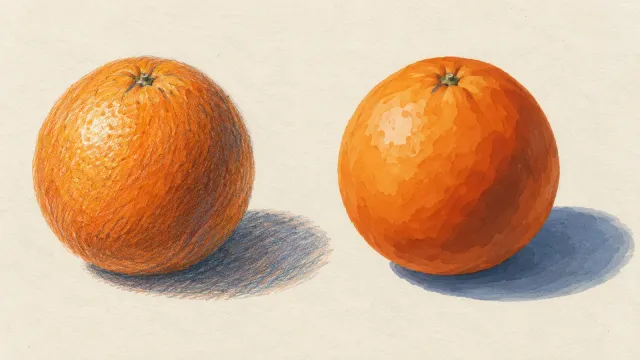
In Linea, you can explore a different kind of mark with brushes that respond to your hand. On paper, let the pencil’s own texture remain visible if you enjoy it. Smoothness is one possible finish.
Practice on your own drawing
Take a photo of a sketch and Linea turns it into a page you can fill.